iOS vs Android Development: Which Is Better for Your App in 2026?

Choosing between iOS vs Android development is one of the most important decisions founders and businesses make when building a mobile app. The right platform impacts your development cost, time-to-market, monetization, and long-term scalability.

Quick Answer: iOS vs Android — Which Is Better?

There is no one-size-fits-all answer. The better platform depends on your target audience, budget, business goals, and growth strategy.

  • iOS development is ideal for premium users, faster MVPs, and higher monetization.
  • Android development works best for mass adoption and global reach.

Market Share & Audience Differences

Android Market Share

Android dominates global smartphone usage, especially in India, Southeast Asia, Africa, and South America. If your app targets large-scale adoption or emerging markets, Android is often the preferred platform.

iOS Market Share

While iOS has a smaller global market share, its users tend to spend more on apps and subscriptions. iOS performs particularly well in the US, Canada, Europe, and Australia.

Development Cost Comparison

iOS App Development Cost

iOS apps are typically faster to build due to fewer device variations and a controlled ecosystem. This often results in lower MVP costs and quicker launches.

Android App Development Cost

Android development involves supporting many devices, screen sizes, and OS versions. While initial development can be affordable, testing and maintenance costs may increase over time.

At Nerdware Labs, most startup MVPs we build typically fall between $10,000 and $40,000, depending on scope, features, and platform. If you want a deeper breakdown of pricing, timelines, and hidden costs, read our detailed guide on how much it costs to build a mobile app .

Development Speed & Time to Market

iOS Development Speed

Swift and SwiftUI allow faster iteration, cleaner architecture, and predictable testing. This makes iOS ideal for startups racing to launch an MVP.

Android Development Speed

Kotlin and Jetpack Compose are powerful, but Android apps require more QA due to device fragmentation. This can extend timelines slightly.

UI/UX & Design Consistency

Apple’s Human Interface Guidelines create consistent user experiences across iOS devices, making it easier to deliver polished UX. Android offers more design freedom but introduces additional complexity.

App Store Approval & Distribution

Apple App Store

Apple enforces stricter review guidelines, resulting in higher-quality apps and stronger user trust.

Google Play Store

Google Play approvals are faster and more flexible, making Android suitable for rapid experimentation and iteration.

Monetization & Revenue Potential

iOS users are more willing to pay for apps and subscriptions, while Android apps often perform better with ad-based monetization and large install volumes.

Security & Performance

iOS benefits from a closed ecosystem and faster OS adoption, making it a strong choice for fintech, healthcare, and enterprise apps. Android security has improved significantly but still varies by device manufacturer.

Should You Build Cross-Platform?

Cross-platform frameworks can reduce time and cost, but native development often delivers better performance and long-term scalability. Many startups begin with one platform before expanding.

Final Verdict: Which Platform Should You Choose?

  • Choose iOS for faster MVPs, premium users, and subscriptions.
  • Choose Android for global reach and mass adoption.
  • Choose both when your product is validated and ready to scale.

Need expert guidance on choosing the right platform? Our mobile app development team helps startups make the right technical decisions from day one.

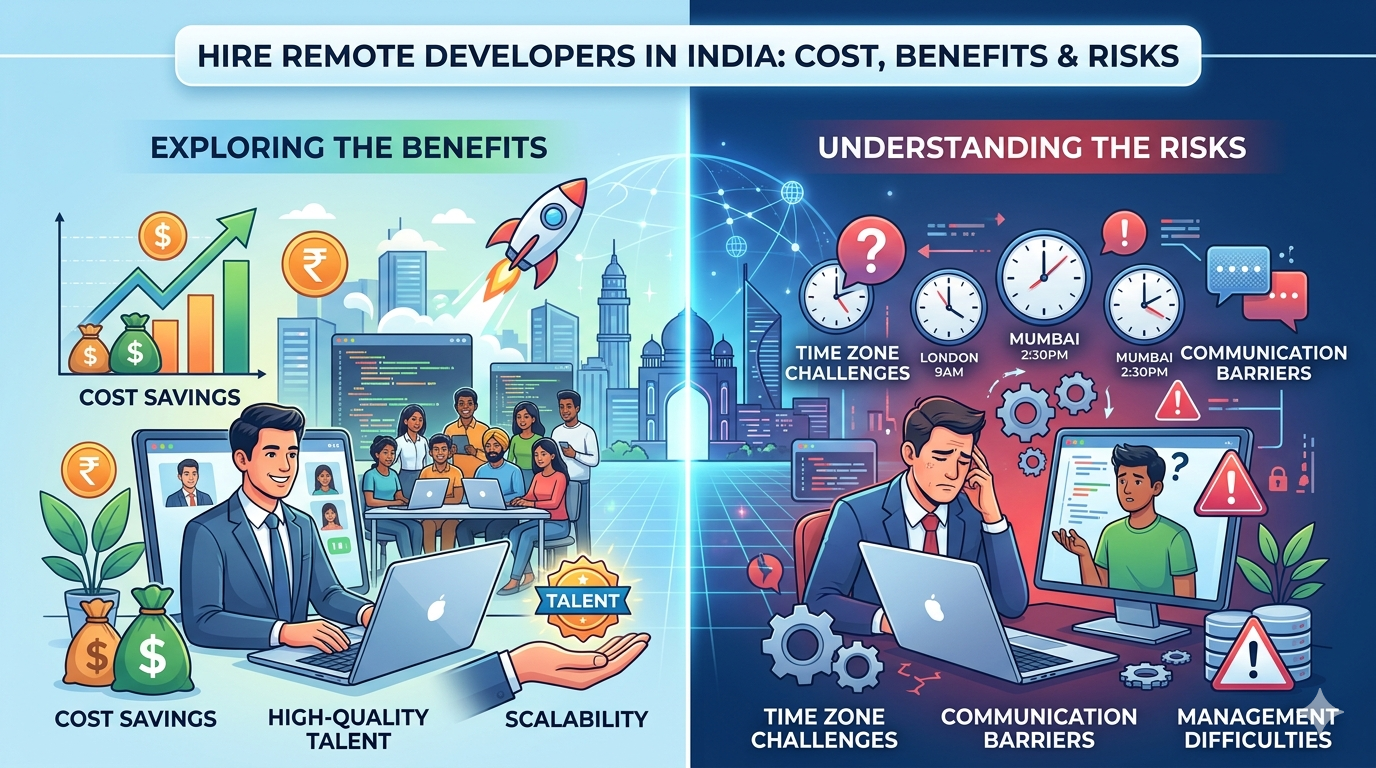
Hire Remote Developers in India: A Practical Guide for Startups & Businesses

Hiring remote developers in India has become a strategic advantage for startups and businesses worldwide. From cost efficiency to deep technical expertise, Indian development teams power thousands of successful products globally. This guide explains how to hire remote developers in India, what it costs, and how to avoid common mistakes.

Why Companies Hire Remote Developers in India

India has emerged as one of the world’s largest and most reliable software development hubs. Companies across the US, Europe, and Australia hire Indian developers to build scalable, production-grade software.

  • Large pool of skilled engineers
  • Cost-effective development
  • Strong English communication
  • Experience with global startups
  • Time zone flexibility

What Types of Developers Can You Hire in India?

Indian development teams cover a wide range of technical expertise, including:

  • Mobile app developers (iOS & Android)
  • Web developers (Frontend & Backend)
  • Full-stack developers
  • DevOps & cloud engineers
  • UI/UX designers
  • QA & automation engineers

Cost of Hiring Remote Developers in India

One of the biggest reasons companies hire remote developers in India is cost efficiency. However, overall development cost depends on more than just hourly rates — including app complexity, project scope, and long-term maintenance. If you’re evaluating total investment, you may also find our detailed breakdown helpful in this guide on how much it costs to build a mobile app .

  • Junior developers: $15 – $25/hour
  • Mid-level developers: $25 – $40/hour
  • Senior developers: $40 – $60/hour

At Nerdware Labs, most startups work with us in a monthly or project-based model to ensure predictable costs, clear ownership, and long-term stability.

Learn more about our remote developer hiring model and how we ensure quality, ownership, and long-term success.

Popular Engagement Models

Dedicated Remote Developers

Ideal for startups and growing teams that need long-term support. You get a dedicated engineer working exclusively on your product.

Project-Based Development

Best for fixed-scope projects such as MVP development, feature builds, or system rewrites.

Team Augmentation

Extend your in-house team with Indian developers who integrate into your workflows and tools.

How to Hire Remote Developers in India (Step-by-Step)

  1. Define your requirements clearly
  2. Decide the engagement model
  3. Evaluate technical expertise
  4. Assess communication skills
  5. Start with a pilot or MVP

Hiring is not just about resumes — it’s about finding developers who understand product thinking and long-term ownership.

Common Mistakes to Avoid

  • Choosing the cheapest option
  • No clear documentation or scope
  • Poor onboarding process
  • Lack of ownership and accountability
  • Ignoring time-zone planning

Why Startups Prefer Indian Remote Teams

Startups operate under tight budgets and timelines. Hiring remote developers in India allows founders to move faster without compromising on quality.

Many successful startups begin with an Indian development team and scale globally once product-market fit is achieved.

Why Choose Nerdware Labs?

At Nerdware Labs, we help startups and businesses hire reliable remote developers in India without the usual offshore risks.

  • 14+ years of engineering experience
  • Strong product-first mindset
  • Clear communication & ownership
  • Production-grade code
  • Long-term partnership approach

Final Thoughts

Hiring remote developers in India can be a game-changer — if done correctly. With the right team, process, and partner, you gain speed, flexibility, and cost advantages without sacrificing quality.

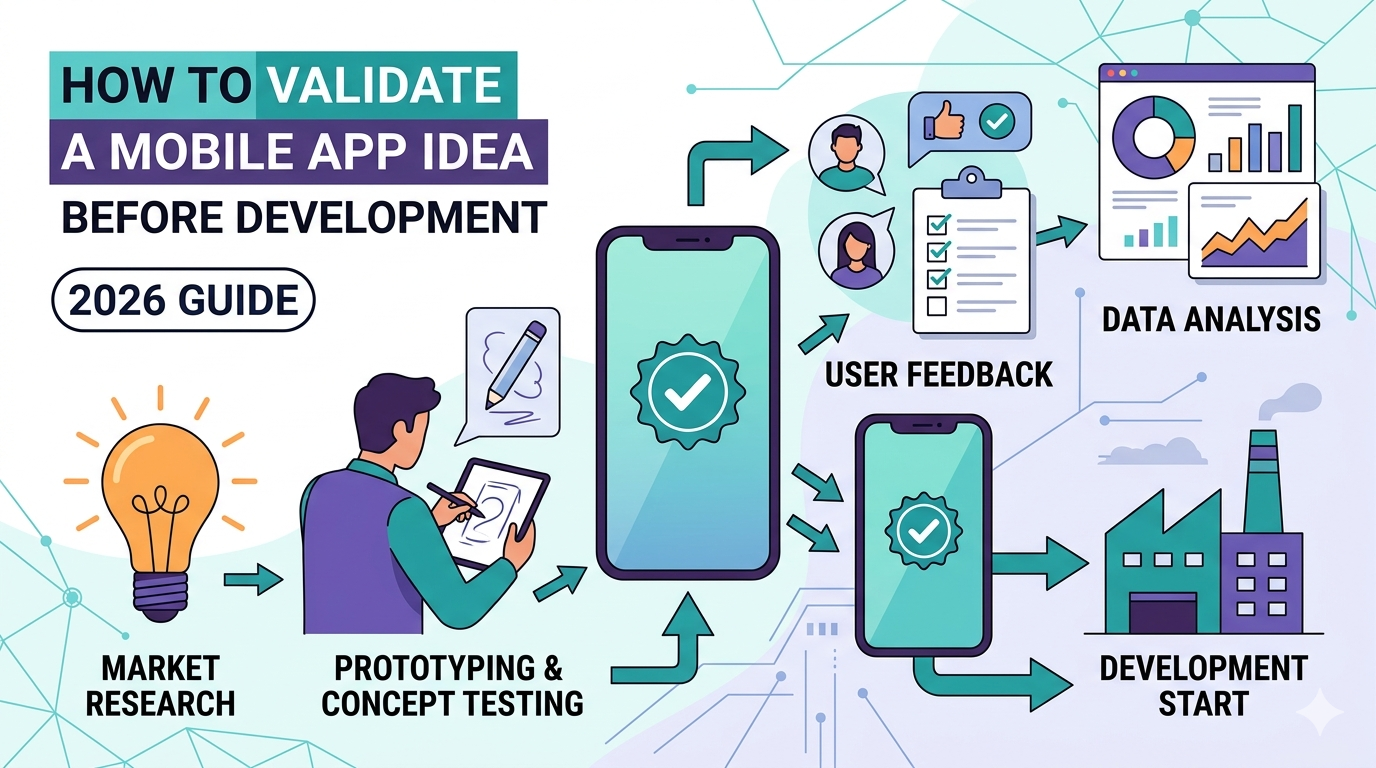
If you’re planning to validate your startup idea quickly, explore our startup MVP development services to see how we help founders launch faster with less risk.

Mobile App Development Cost 2026 – Complete Pricing Breakdown

Mobile App DevelopmentCost 2026

Building a mobile app is one of the most common steps startups and businesses take to scale digitally. But one question always comes first: How much does it cost to build a mobile app?

The short answer is: it depends. The real answer depends on what you build, how you build it, and who builds it. In this guide, we break down mobile app development costs in 2026 and help you estimate a realistic budget—whether you’re building an MVP, a full-scale product, or a business application.

Average Cost to Build a Mobile App

Here’s a realistic cost breakdown based on real-world projects:

AppTypeEstimated Cost
Simple App (Basic Features)$15,000 – $30,000
MVP for startups$25,000 – $60,000
Medium Complexity App$50,000 – $120,000
Complex Scalable App$120,000 – $300,000+

At Nerdware Labs, most startup MVPs we build typically fall between $10,000 and $40,000, depending on features, platform (iOS, Android, or both), and overall product complexity.

If you’re looking for a reliable partner, check our mobile app development services to see how we build scalable iOS and Android apps for startups.

Key Factors That Affect Mobile App Development Cost

1. App Complexity & Features

App complexity is the single biggest cost driver. Basic apps with static content and simple forms cost significantly less than apps with real-time features, payments, or AI capabilities.

2. Platform Choice: iOS, Android, or Both

You can build for iOS, Android, or both. Single-platform apps are cheaper, while dual-platform native apps cost more. Cross-platform development can reduce upfront costs while maintaining quality.

3. UI/UX Design Quality

Design directly impacts user retention and conversion. High-quality UI/UX design ensures your app is intuitive, usable, and aligned with business goals.

4. Backend & Infrastructure

Apps that require APIs, user authentication, databases, or admin dashboards need backend development, which significantly affects overall cost.

5. Development Team Location

Development costs vary widely depending on geography. Many startups and businesses choose experienced remote teams to balance quality and affordability—especially when working with offshore or distributed engineering teams. If you’re exploring this option, our detailed guide on hiring remote developers in India explains costs, engagement models, and how to build reliable remote teams without offshore risks.

Cost Breakdown by Development Phase

  • Discovery & planning: 5–10%
  • UI/UX design: 15–25%
  • Development: 45–60%
  • Testing & QA: 10–15%
  • Deployment & support: 5–10%

Skipping any phase often leads to higher long-term costs due to rework and technical debt.

Hidden Costs You Should Plan For

Many businesses overlook these recurring costs:

  • App store fees
  • Cloud hosting & infrastructure
  • Third-party APIs
  • Maintenance & OS updates
  • Security patches

On average, annual maintenance costs are around 15–25% of the initial development cost.

How to Reduce Mobile App Development Cost

  1. Start with a focused MVP
  2. Prioritize core features
  3. Choose scalable architecture early
  4. Work with an experienced development partner

Why Businesses Choose Nerdware Labs

With over 14 years of experience, Nerdware Labs builds production-grade mobile apps using clean architecture and scalable systems. We’ve also built and scaled our own product, giving us real-world insight beyond client work.

  • Production-grade iOS & Android apps
  • Clean, scalable architecture
  • Clear communication & ownership
  • Startup-friendly MVP approach